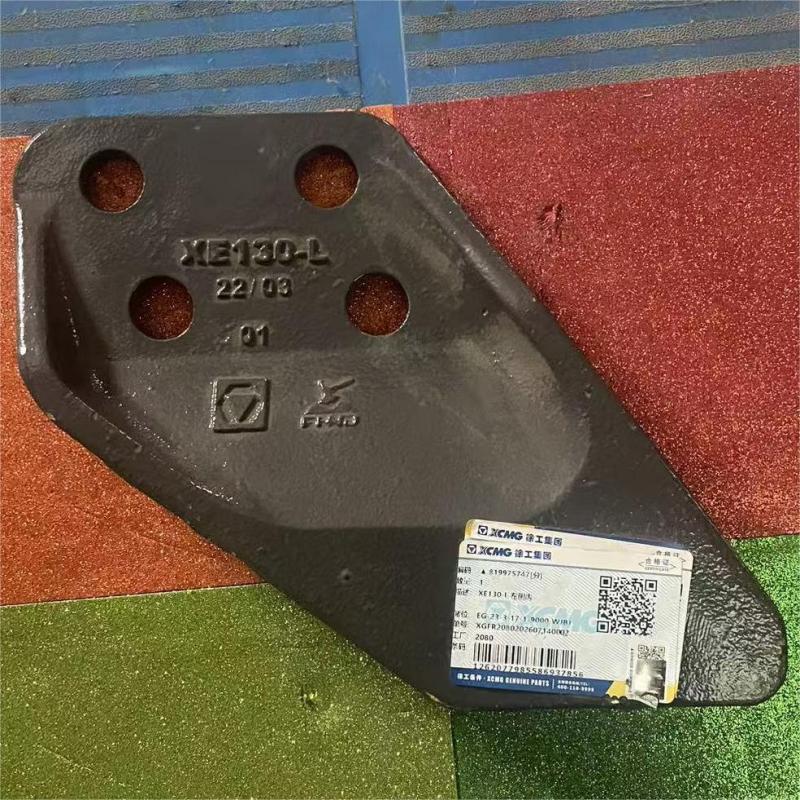
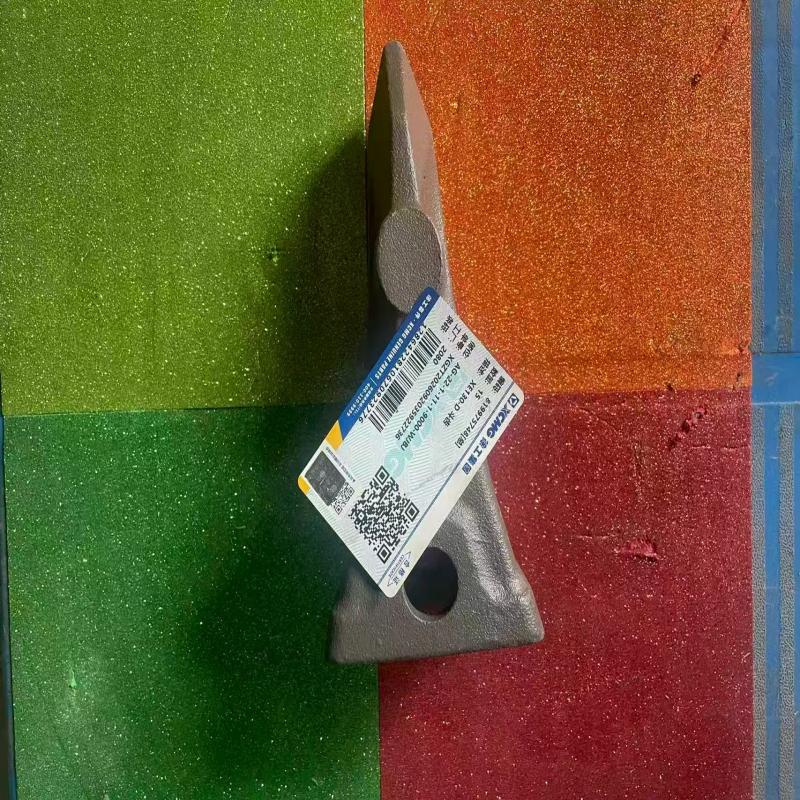
Hydraulic systems are the working core of many XCMG excavators, wheel loaders, cranes, road machines and drilling equipment. Pumps create flow, valves control direction and pressure, motors convert hydraulic energy into motion, and cylinders generate linear force. Because these components are closely connected, one incorrect replacement can create leaks, poor performance or repeat failure. Overseas buyers sourcing XCMG hydraulic parts should therefore use a structured verification process.
Start by diagnosing the problem correctly. Slow movement, overheating, abnormal noise or weak power does not automatically mean the hydraulic pump has failed. Contaminated oil, blocked filters, internal leakage, damaged valves, worn seals or incorrect pressure settings can produce similar symptoms. A technician should confirm the faulty component before the purchasing team places a high-value order. This reduces the risk of replacing an expensive part that was not the real cause.
Once the component is identified, collect the exact part number and machine information. Send the XCMG model, serial number and photos of the hydraulic part label. For pumps, motors and valves, photograph all ports and the mounting surface. Count bolt holes and identify shaft style where relevant. For hoses and fittings, provide overall length, thread or flange type and connection orientation. For cylinders, include mounting dimensions and, when possible, the cylinder identification number.
Buyers should also ask about the condition and source of the component. Is the quotation for a genuine XCMG part, an OEM replacement, a new aftermarket unit or a remanufactured component? These options may have different prices and service expectations. The supplier should state the option clearly. For replacement pumps and valves, buyers can also ask whether the unit has been tested and what warranty terms apply. Product photos taken before shipment are useful for confirming labels, ports and visible condition.
Cleanliness is especially important for hydraulic parts. Open ports should be capped or sealed before packing to prevent dust and moisture from entering the component during transport. When the new part arrives, the maintenance team should check the hydraulic oil condition, filters and system cleanliness before installation. Installing a new pump into a contaminated system can cause another failure even when the replacement part is correct.
RANCLE’s XCMG spare-parts range includes hydraulic pumps, control valves, motors, hoses and related components across multiple machinery categories. Buyers can improve quotation accuracy by sending complete machine and part information in the first message. For fleets, it is also useful to record recurring hydraulic part numbers and keep seal kits, filters and high-use hoses available locally. Accurate identification, clean installation and responsible maintenance work together; sourcing the right hydraulic part is only one part of keeping an XCMG machine reliable.
After replacement, do not discard the failed unit immediately. Keep the label and take clear photos for future reference. If the same failure happens again, these records can help technicians compare operating hours, oil condition and replacement history. For fleet buyers, this information also helps determine whether a particular hydraulic component should become a planned stock item rather than an emergency purchase each time it fails.
Suggested CTA
Need help identifying an XCMG spare part? Send RANCLE your machine model, part number, quantity and destination for compatibility checking and a quotation.
Whatsapp : 0086-17327667721
电子邮件 : sales@rancle.com
电话 : +86 18652210442
电子邮件 : sales@rancle.com
Whatsapp : 0086-17327667721
Add : Huaihai Hardware And Electromechanical Market,Xuzhou Economic And Technological Development Zone,Xuzhou City,Jiangsu,China.


获取 最新产品信息和优惠信息
 ZH
ZH  EN
EN  FR
FR  ES
ES  AR
AR